
After leaving my job, I learned digital marketing, tried to serve everyone, spent money without results, and finally discovered why focus and one clear system mattered.
My real journey through the struggles of entrepreneurship.
When I quit my job, I knew one thing.
I wanted to build something of my own.
But I had no clear answer to a simple question:
Which business should I start?
I began exploring the market. After about a month, digital marketing caught my attention.
I enrolled in certification programmes and started learning. SEO, social media, ads, content, tools—I wanted to understand it all.
I believed that once I had enough skills, I could help different businesses with different needs.
It sounded like a smart plan.
It became my first big mistake.

I tried to serve everybody
I started targeting almost everyone.
If a business needed digital marketing, I thought I could help. Different industries needed different things, so I offered different services.
My thinking was simple: more types of customers would mean more opportunities.
For the next five or six months, I kept going.
I spent money on ads. I bought different tools. I kept learning and trying.
But revenue did not come the way I expected.
I would sit and wonder:
I have learned so many digital marketing skills. I am approaching so many kinds of businesses. Why am I still struggling to get customers?
The harder I tried, the more confused I became.
I had knowledge. I had tools. I was putting in the hours.
But I did not have a clear direction.
The problem was not another skill
After burning my hand for months, I began to see the real problem.
I was working like a generalist. I was trying to be useful to everybody, but I had not become the obvious choice for a particular audience.
I was also following three or four mentors at the same time. Each had a different method, a different strategy, and a different way of doing things.
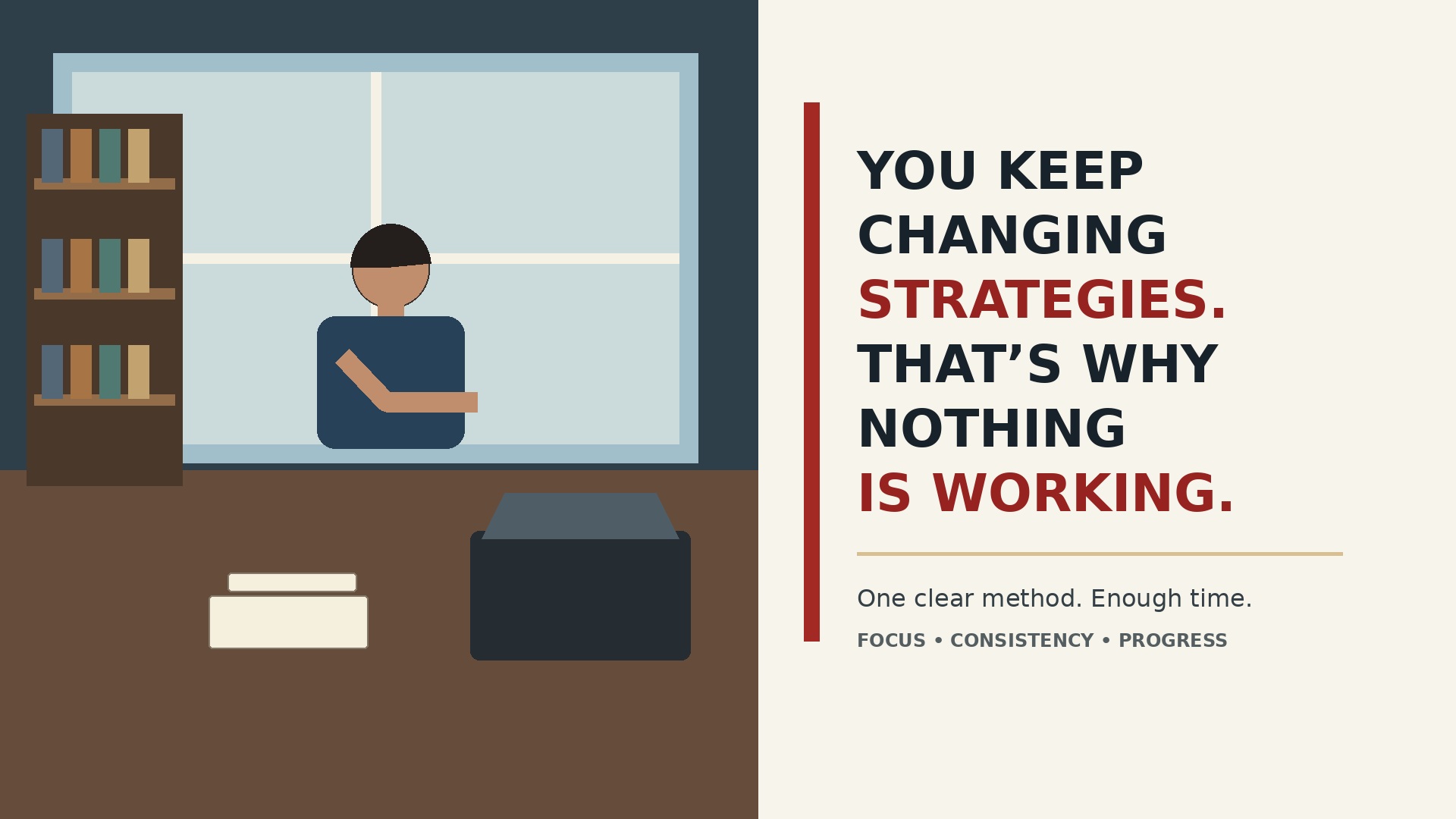
I kept collecting advice instead of following one process long enough to understand it.

Finally, I made a decision.
I chose one mentor and committed to one system.
I stopped jumping between approaches. I focused on implementing what I was learning instead of constantly searching for another answer.
It was not an overnight transformation.
But after about three months, things started moving.
I began attracting a better-fit audience. My work became more focused. I could explain whom I helped and how my process helped them.
I started serving the right people through a clearer system—and that helped me begin attracting students too.

The belief that changed my approach
That experience taught me something I have never forgotten:
If you are trying to serve everybody, you may end up being the obvious choice for nobody.
People do not always want someone who knows a little about everything. When a problem matters to them, they often look for someone who understands that particular problem deeply.
A specialist can communicate a clearer promise. They can build a process around a specific need. And when the value is clear, the right customers may be willing to pay more for that expertise.
That does not mean a generalist has no value. It means that, especially when building a business, focus can make it easier for people to understand why they should choose you.
The lesson I carry forward
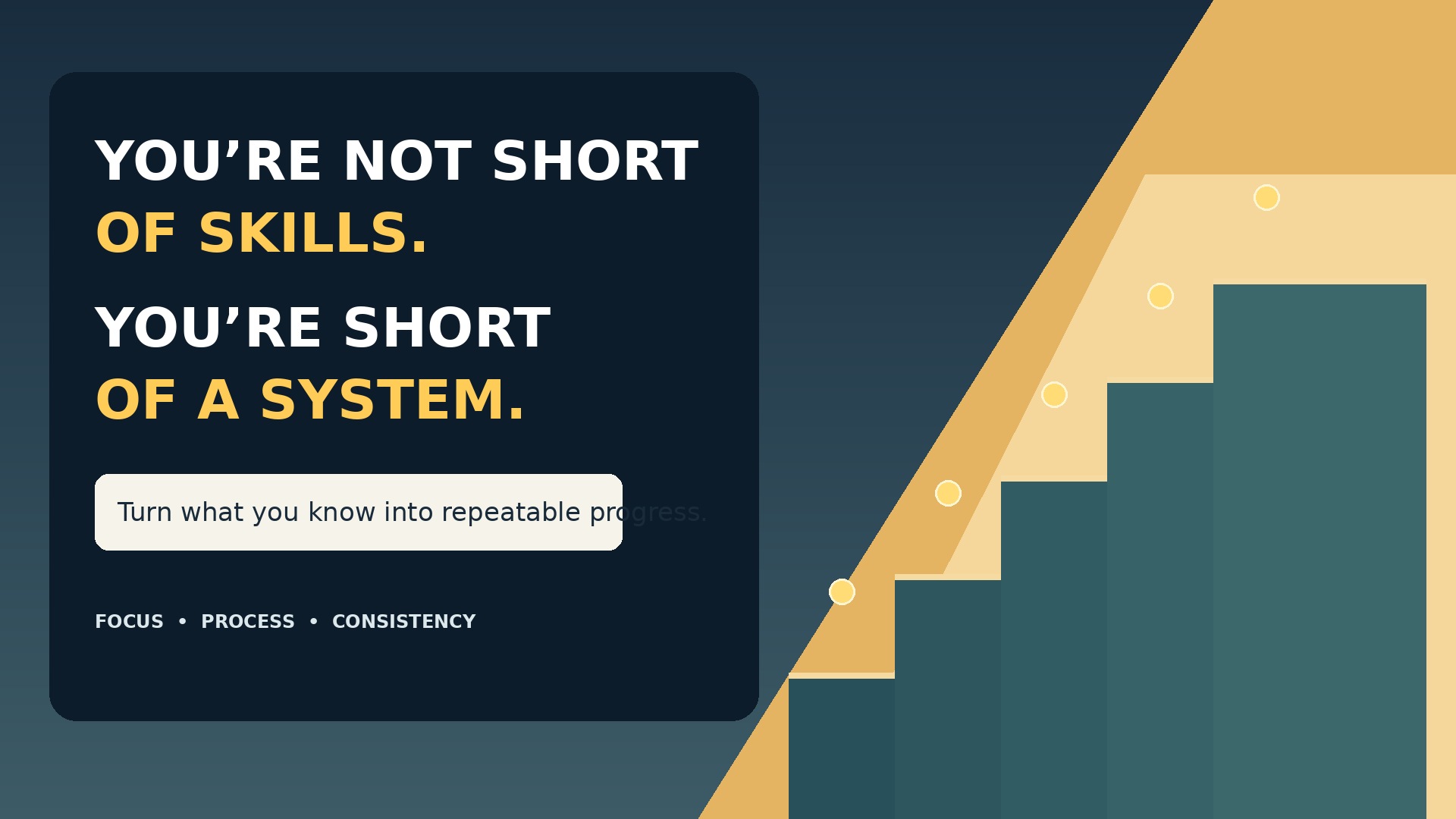
You do not need to learn every skill, buy every tool, or follow every mentor before you begin.
Start by choosing a specific audience and understanding one meaningful problem they need solved.
Build a simple process. Follow it long enough to learn what works. Improve it using real feedback.
My belief: Focus creates clarity. A clear system turns effort into repeatable action. And specialised value makes it easier for the right people to recognise why you are the right person to help.
A question for you
Are you trying to serve too many types of people—or have you chosen one audience and one problem you want to become known for?
I would love to hear your experience.